Xiomara Balentina was exhausted on Friday afternoon, on the phone from St. Eustatius, where she had led the ceremonial reburial of the remains of enslaved African ancestors who had been excavated on the island in 2021. “I am tired but satisfied; we fulfilled our promise to the ancestors,” she says, and you could hear the contented, proud smile through the phone.
In the Resilience Edition of AFRO Magazine, which coincidentally also came out on Friday, the chair of the Statia Cultural Heritage Implementation Committee stressed how determined she was that the reburial would take place on 13 November 2026:
“The remains of our ancestors must be reburied.”
It was a dignified ceremony. “People kept coming up to me and saying: Xiomara, we have never experienced this before,” she says. “It just flowed. The community came and everyone did their part. To know how that moment felt, you would have had to stand on that ground.”
The farewell already began on 12 November at the Heritage House in Oranjestad, with a libation. After that, the cotton that would go at the bottom of each casket was cleansed. Annina van Neel, known for the film “A Story of Bones” about her own effort to rebury excavated remains of enslaved Africans on St. Helena, was one of the international guests who had been flown in especially. She lit sage, and together with Balentina she passed each carefully cut piece of cloth through the smoke three, four times. Many people came to watch and helped handle casket after casket. Meanwhile the Statian master musician Victor Sams, who lives in the Netherlands, sang for the ancestors, accompanied by his African harp.
That day did not pass without obstacles and the committee worked until almost 9 that evening. “We got no rest,” says Balentina.
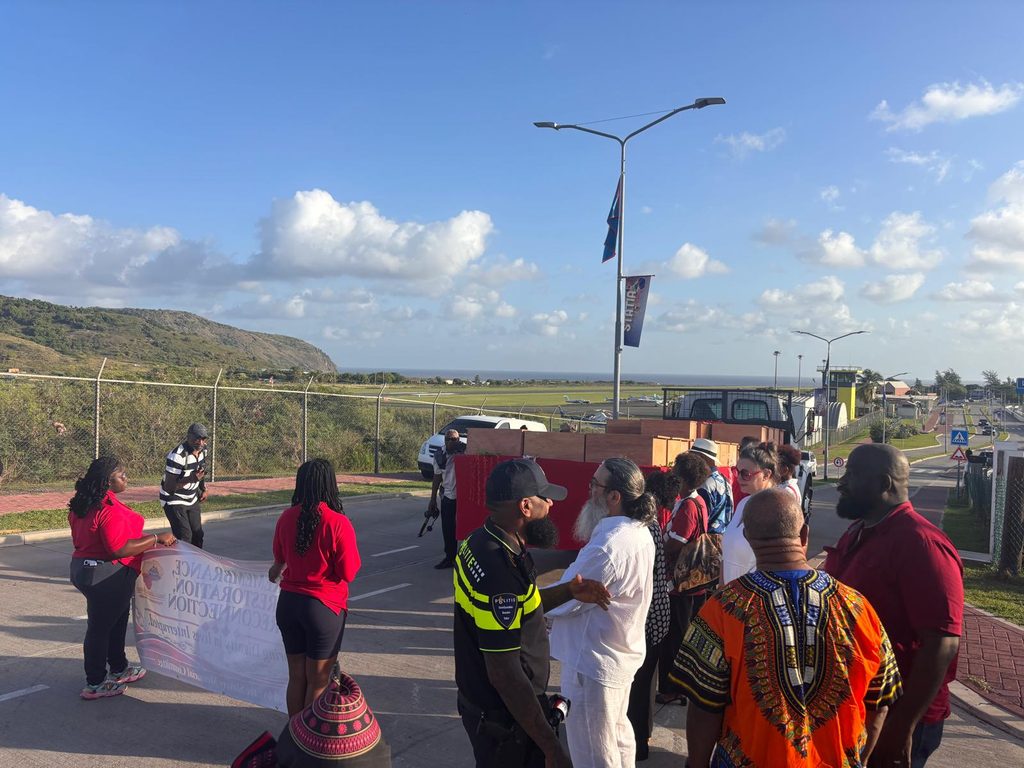
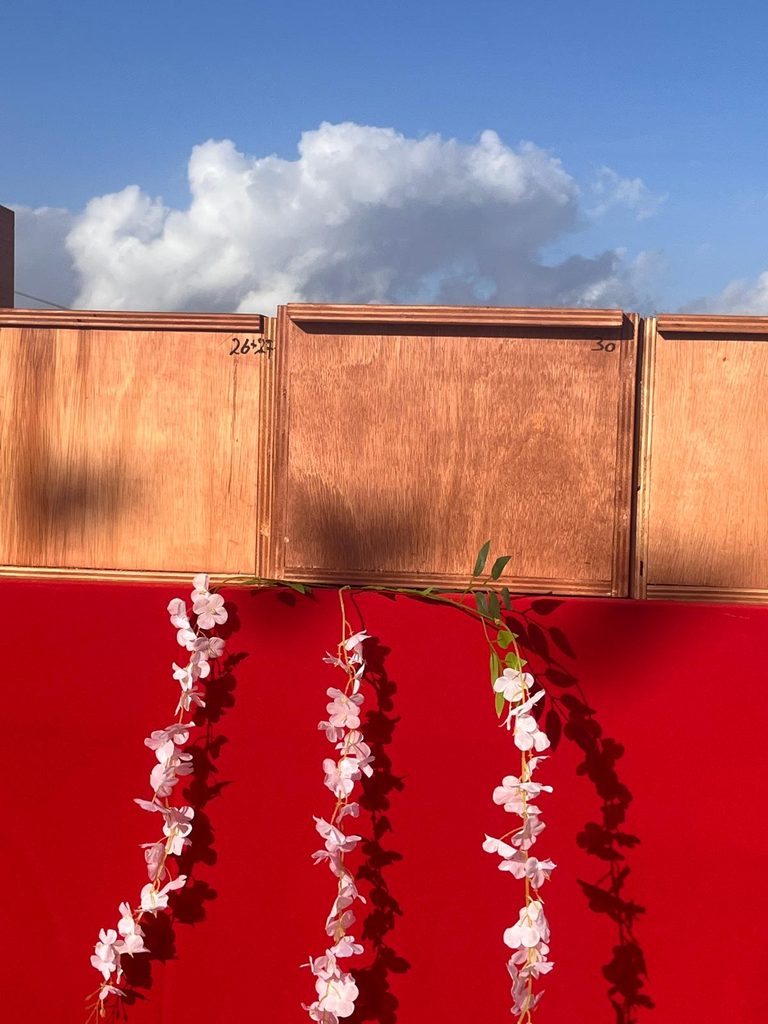
On 13 November the community gathered at half past five in the morning. After a libation led by Nkosazana Illis from St. Maarten, who does ancestral work, men, women and children formed a human chain. Casket by casket went onto the truck, numbered and stacked under the direction of architect José Zimmerman. The truck was decorated with red cloth and flowers.

The colours were chosen deliberately. “White stands for transition, homecoming, peace and spirituality. Red for the struggle, the blood that was shed, the resistance. The resilience,” Balentina explains.
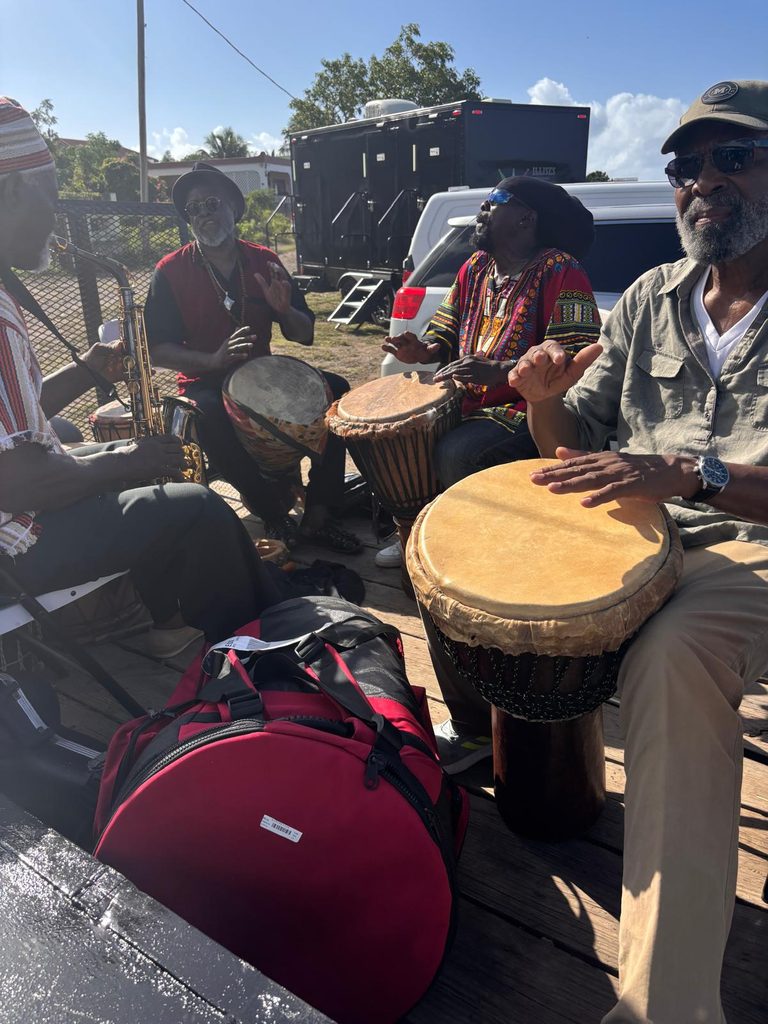
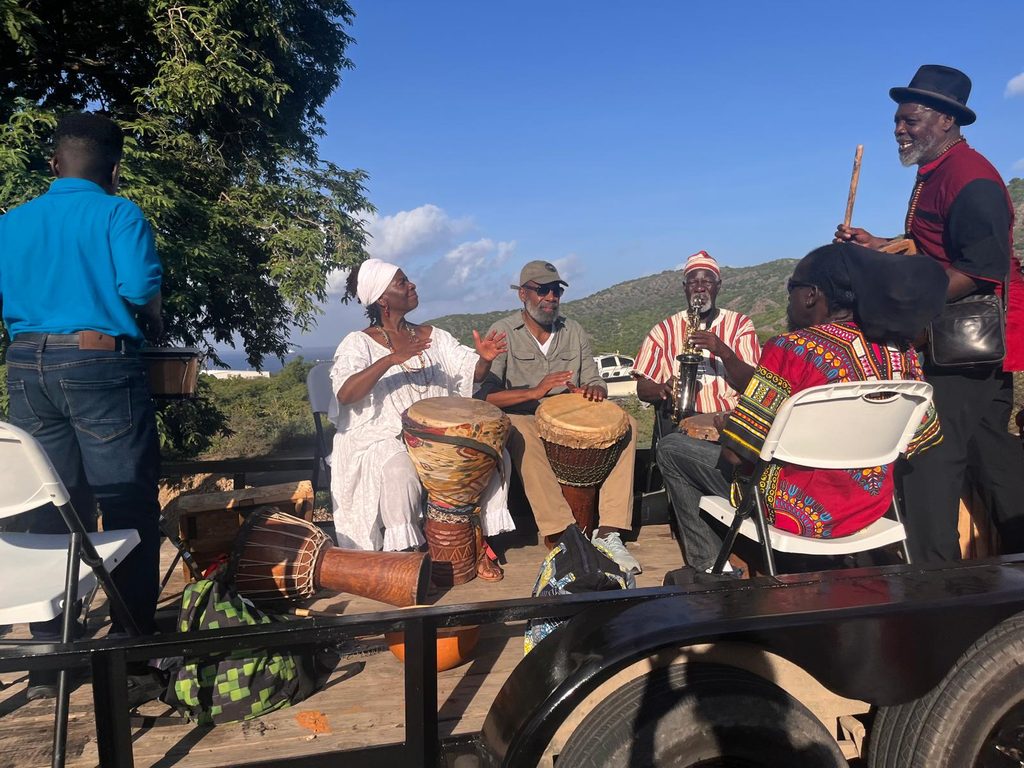
Accompanied by singing and drumming musicians on a trailer, the procession went past Golden Rock, where the Commissioner of Culture Rechelline Leerdam briefly took the floor. “This is a wound, but also a path.” Then the names of resistance fighters were called, among them Thomas Dupersoy, who led an uprising on Statia in 1848. Two students of the Gwendoline van Putten School carried the ancestral banner at the front.

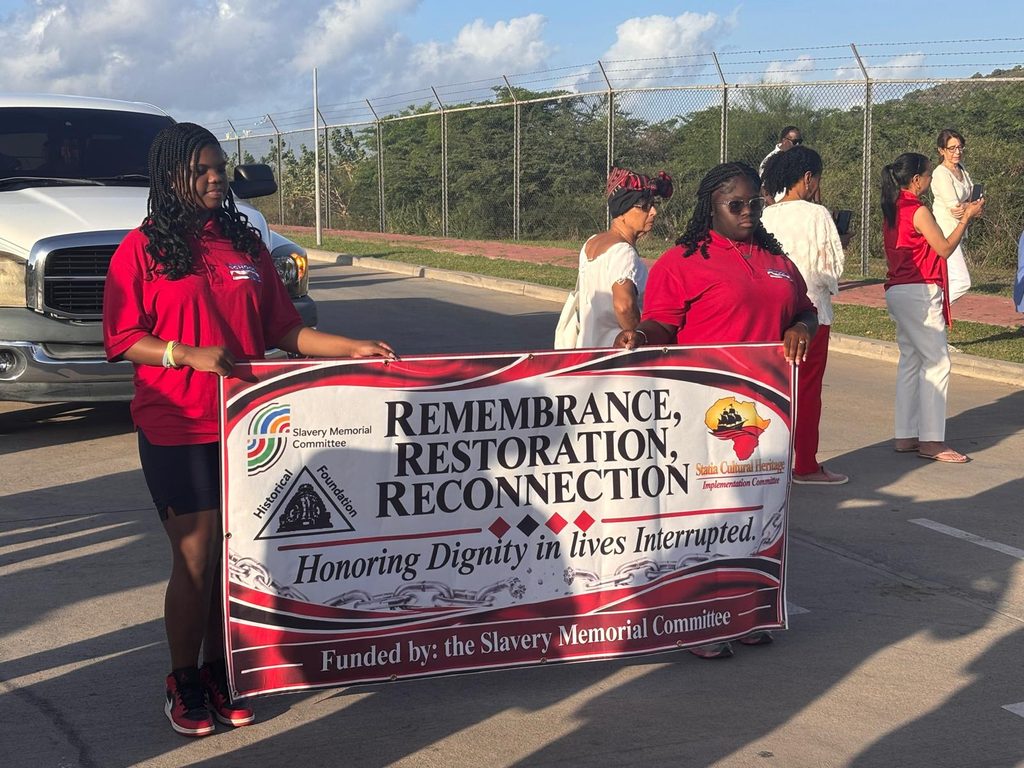
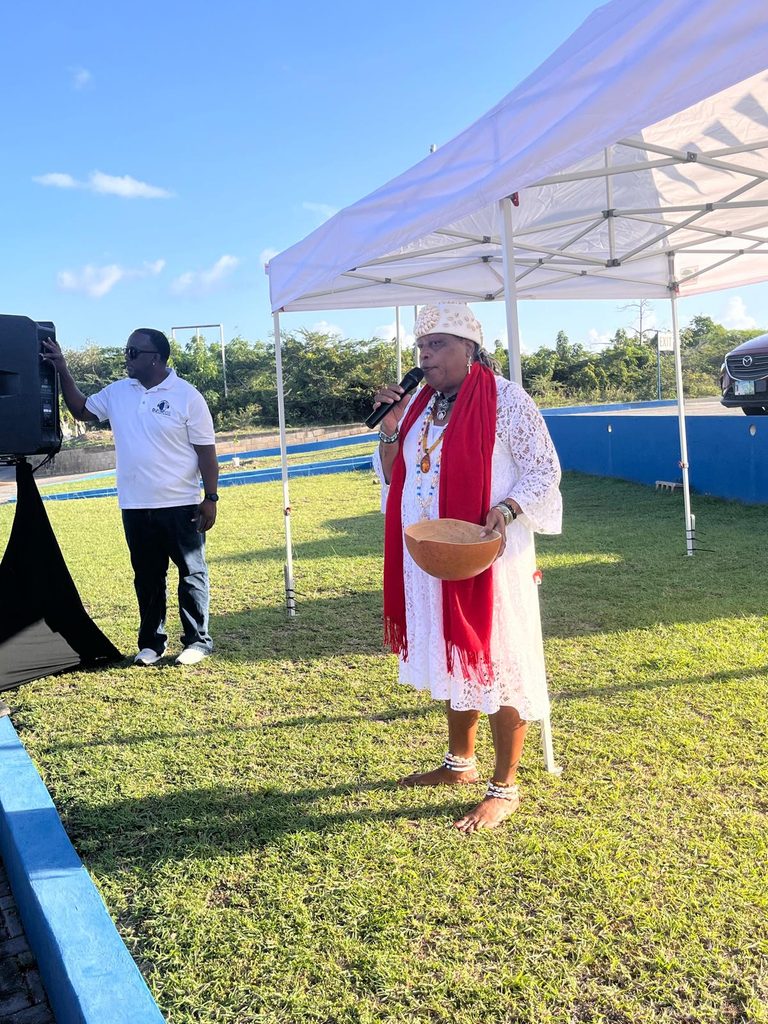
At the Congo burial ground, Nkosazana Illis spoke about the earth and the homecoming of the ancestors. Further on, Annina van Neel, Urisha Blake and Carlos Lopes read out names: of people who were held captive at Golden Rock in 1791, of those who escaped, and the 96 names of Golden Rock enslaved who lived to see 1 July, Emancipation Day. Astrid Elburg of the Slavery Past Remembrance Committee addressed the ancestors and honoured their resistance.
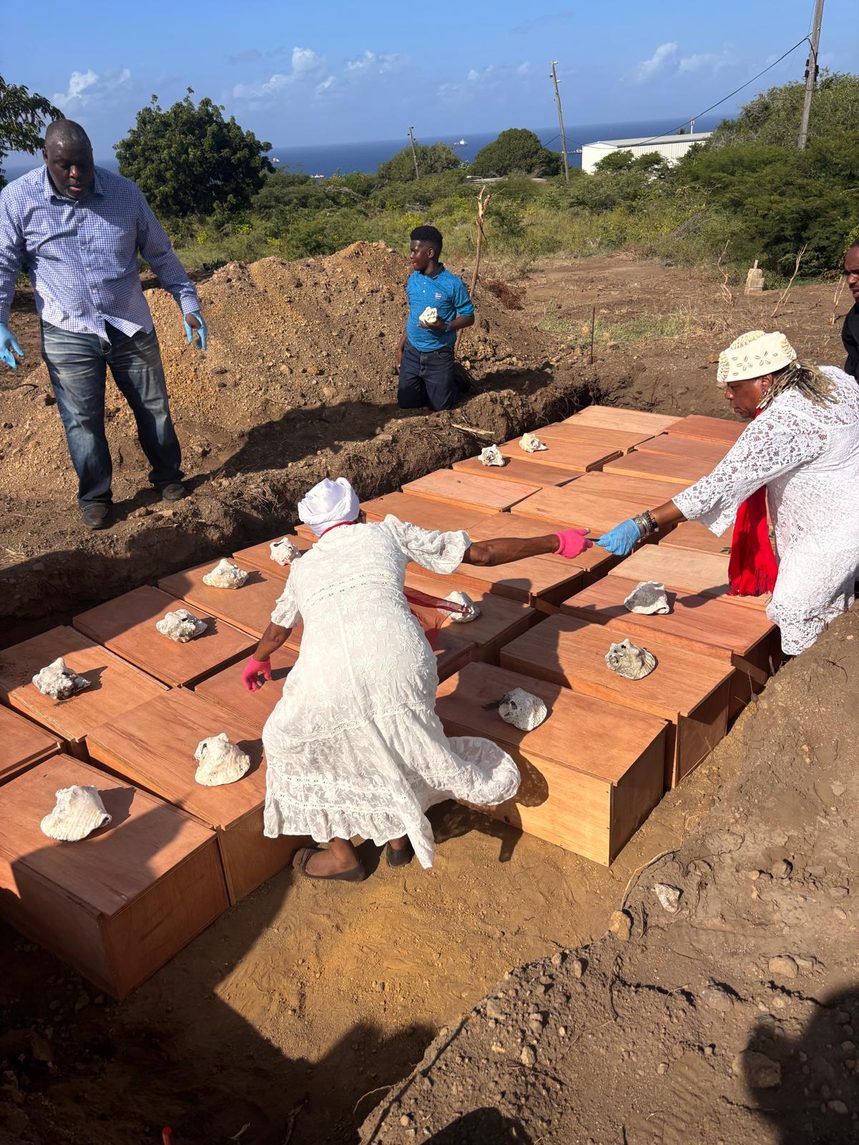
And at the final resting place, Zimmerman bowed in silence to welcome the ancestors. The African American cultural heritage advisory practitioner and documentary filmmaker Peggy King Jorde placed the moment in the global story of the African diaspora. Again the community formed a chain. Zimmerman stood in one grave and received the caskets with even numbers; Balentina’s 12-year-old nephew Riegino Hassel stood in the other and received the odd numbers.
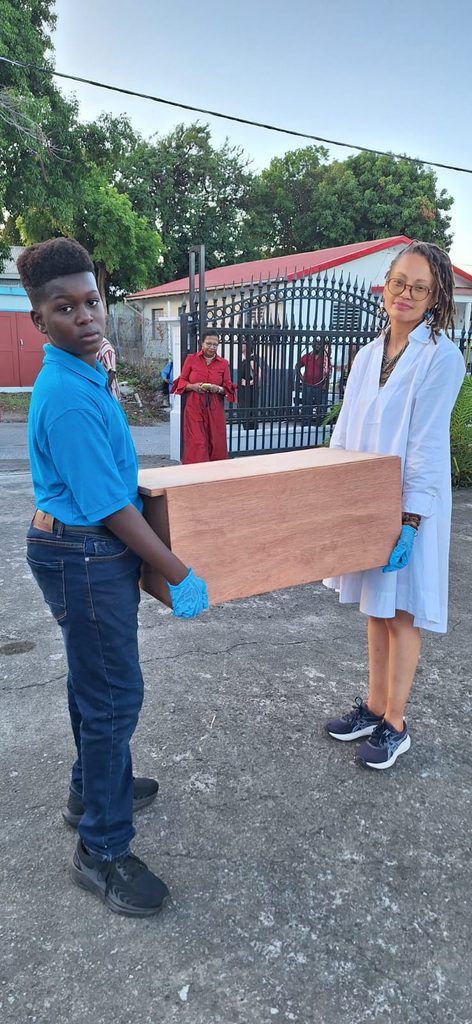
On each casket they placed a conch shell. “Nkosazana Illis had spoken with the ancestors in a dream, and they asked for a shell on each casket,” says Balentina.
Everyone then sprinkled soil from Golden Rock over the caskets, after which the graves were closed. Carlos Lopes and Riegino Hassel planted two trees nearby. After speeches, stories by Papa Umpu and a word of thanks by Arlene Schmidt, the community came together festively for a while. “We had cook-up, cake, and drinks, and a DJ played resistance songs. There were tears. There was joy. We hugged each other.”


Balentina now feels “happy, at peace, content. We fulfilled our promise to the ancestors. This is not the story of one person. It is a collective story. And I felt the ancestors guiding every step.”
She is not done. Phase two must begin: the construction of the Memorial Park. “The obstacles have only made me more determined. Phase one is done. With the community and with the ancestors, we will also make phase two succeed.”
Balentina expressed gratitute to the members of the Implementation Committee: Members:
Dr. Felicia Fricke
drs. Jean Marie Schmidt
drs. Petra Ploeg
Mr. Kenneth Cuvalay
Mr. Paul Spanner
drs. Xiomara Balentina
Consultants:
Mr. Jose Zimmerman
Ms. Peggy King Jorde
Dr. Nicholas Budsberg
Ms. Annina van Neel
Pictures by Errol Brice and Petra Ploeg
Read in the (Dutch language) Resilience Edition of AFRO Magazine, an interview with Xiomara Balentina with images of what the Memorial Park is intended to look like.
https://afromagazine.nl/product/afro-magazine-de-resilience-editie/: A promise kept I Statia’s ancestors have been reburied