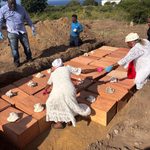
On 13 November, the remains of enslaved ancestors were reburied on St. Eustatius. According to the St. Eustatius Afrikan Burial Ground Alliance, not all of the remains have been returned.
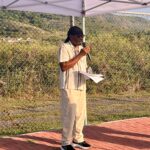
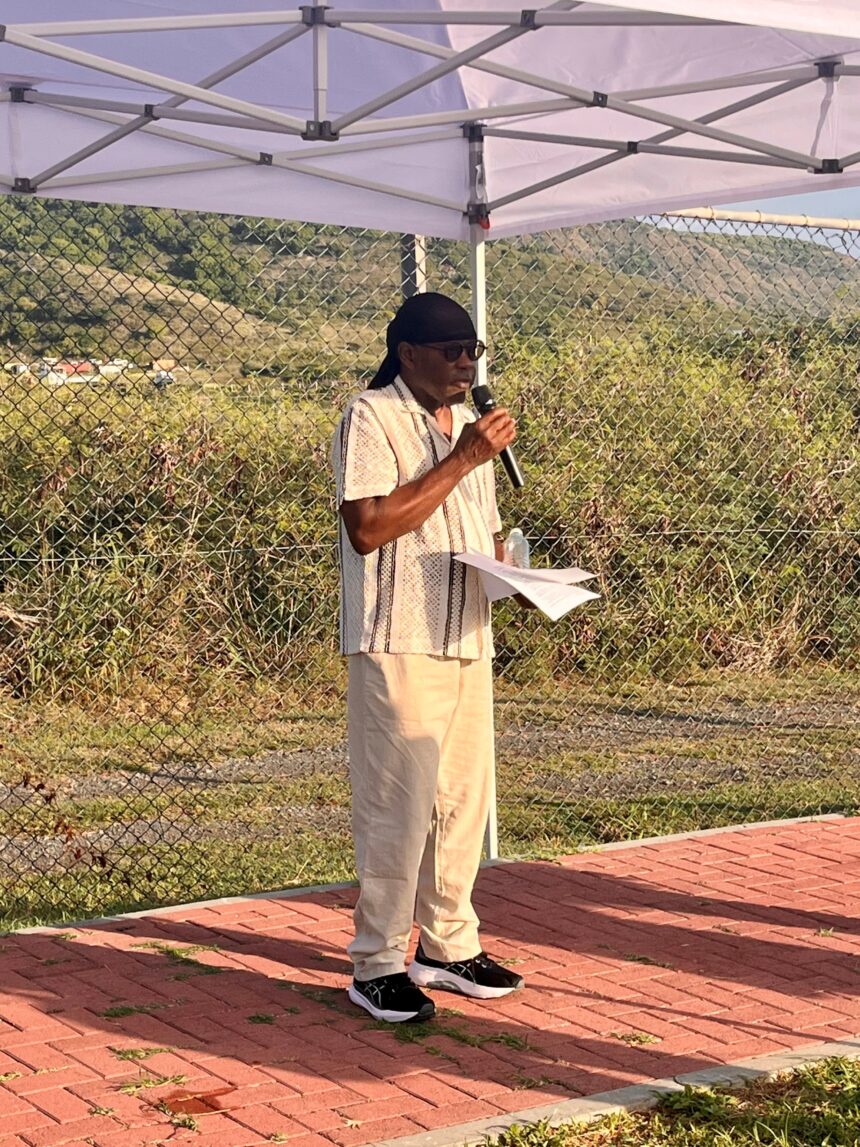
During the reburial on 13 November, when the procession stopped at the Golden Rock Afrikan Burial Ground, Kenneth Cuvalay, president of the St. Eustatius Afrikan Burial Ground Alliance, took the floor and called out the names of Caribbean freedom fighters, among them Thomas Dupersoy, who led an uprising on Statia in 1848.
Several of these freedom fighters are also featured in the Resilience Edition of AFRO Magazine.
The Alliance was founded after protests against the 2021 excavations at the Golden Rock plantation. The remains of 69 ancestors were excavated there to make way for the expansion of the airport, without involvement of the community. On the Alliance’s initiative, UNESCO recognized the Golden Rock and Godet Afrikan burial grounds in 2024 as part of the Routes of Enslaved Peoples. The Alliance also published the names of 96 people connected to the Golden Rock plantation.

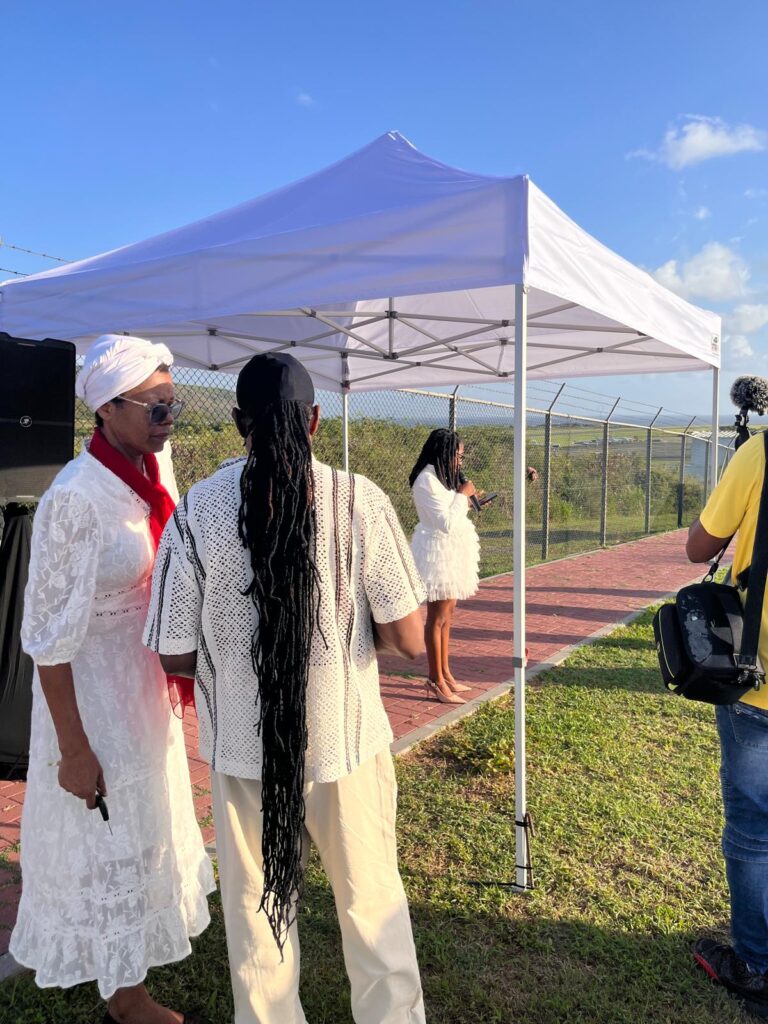
In his speech, Cuvalay pointed out that the names read aloud were names the enslavers had given to the ancestors.
“We have to continue going forward in order to preserve African heritage on this island, reclaiming our heritage, becoming owners of our heritage, but not only that, also rewriting the true nature of our history, because our history was distorted and continues to be distorted.”
“And so education and awareness among our community is so important going forward as we continue building on the shoulders of our ancestors. So I invite this community to be more proactive in the journey together with us as we go forward, reclaiming our true names, and don’t be ashamed of our names.”


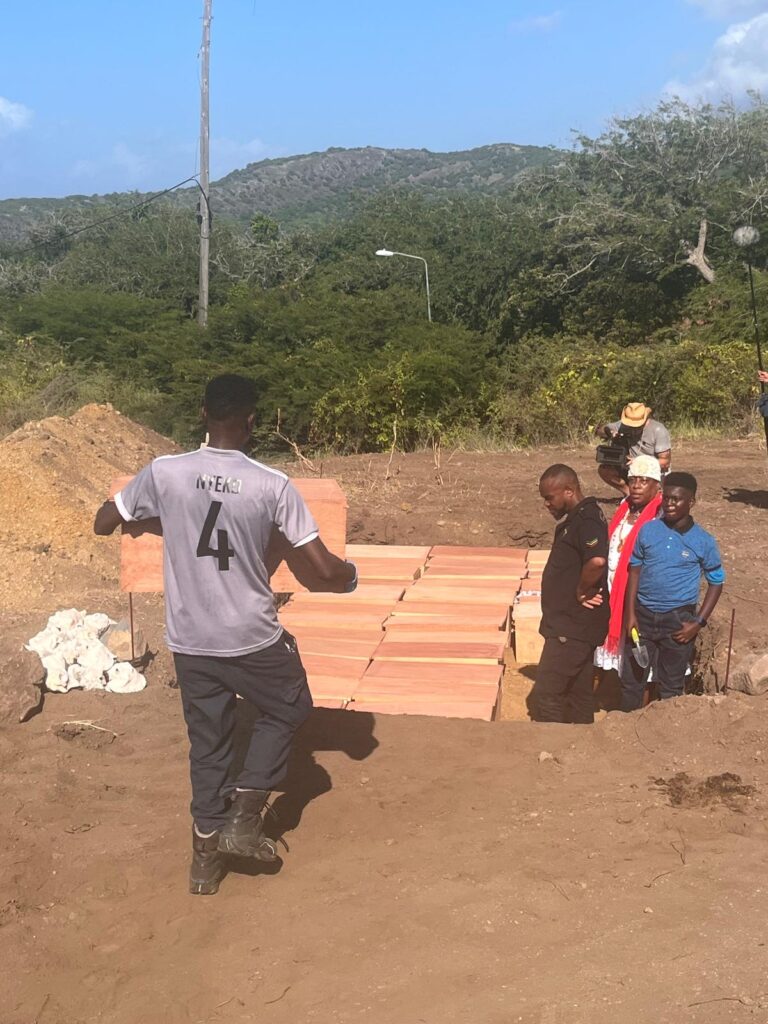
The ancestors have been laid to rest at Princess, with soil from Golden Rock placed in the caskets. A Memorial Centre is still to be built.
According to the Alliance, not all of the remains were reburied. Samples were reportedly held back for DNA research by Harvard University and the University of New Mexico. The Alliance does not know where those samples are now. According to the Alliance, the community said no to further research.
Leiden University and Erasmus University had previously said they would only conduct research with the consent of the community, according to the Alliance. The Executive Council is then said to have turned to Harvard. The Alliance however, says it is concerned about the reputation of two Harvard researchers. It refers to the article On the biodeterministic imagination (Archaeological Dialogues, 2020) by anthropologist Michael L. Blakey, in which he criticizes the work of, among others, Harvard geneticist David Reich.
“There is no consent from the descendant community,” the Alliance writes. “We will continue to fight for our Ancestors.”